

How AI Is Rewiring Consumer Trust and Emotion in 2026
AI interface interacting with a human brain visualization representing emotional and cognitive influence.
Why Most AI-Driven Marketing Falls Short
Many brands assume that adopting artificial intelligence will automatically improve performance. Data systems are integrated, personalization engines are deployed, and automation tools scale execution. Yet results often plateau. The issue is not technology. It is psychology. Most strategies focus on behavior such as clicks, views, and purchases, but ignore how consumers feel during these interactions. Research consistently shows that decisions are driven by emotion before rational thinking begins.
AI has changed more than marketing efficiency. It has changed the consumer mindset. Every AI-powered interaction influences trust, perception, and emotional response. Brands that succeed are not using more advanced tools. They are aligning AI with how people actually think and feel.
The Psychological Shift in Consumer Behavior
Trust Comes Before Personalization
Consumers now evaluate trust instantly. AI improves speed and accuracy, strengthening reliability, but it can reduce emotional connection. A seamless experience may still feel impersonal. Brands that introduce transparency, clear communication, and human tone build stronger trust before scaling personalization.
The Personalization Expectation Effect
AI-driven personalization creates highly relevant experiences, triggering positive emotional responses. However, this also raises expectations. What feels exceptional quickly becomes standard. Over time, even strong personalization can feel generic. Brands that maintain engagement introduce human moments, personality, and variation to avoid emotional fatigue.
The Role of Emotional Experience
Every AI interaction generates a subtle emotional response. Helpful recommendations create satisfaction, while overly precise targeting can create discomfort. These small reactions accumulate and shape long-term brand perception. Most companies measure behavior but overlook these emotional signals.
The Neuroscience Behind Consumer Decisions
Subconscious Processing Drives Choice
Consumers process information emotionally before thinking rationally. AI operates within this subconscious layer, influencing decisions before users are fully aware. This explains why purely data-driven strategies often miss the real drivers of behavior.
Attention and Emotional Resonance
In fast-moving digital environments, attention is limited. Emotionally relevant and familiar content captures focus more effectively. Experiences that create emotional connection are remembered longer and influence future decisions more strongly than functional messaging.
Applying Behavioral Psychology to AI Marketing
Behavioral Segmentation Over Demographics
Traditional segmentation based on age or income is limited. AI enables grouping based on behavior such as decision speed, research depth, or reliance on social proof. Messaging aligned with these behaviors performs more effectively.
Trust-First Personalization
Effective strategies follow a sequence. First build trust through clarity and credibility. Then introduce personalization. Advanced AI works best when it feels helpful rather than intrusive.
Measuring Emotional Impact
AI now allows brands to track sentiment and emotional signals at scale. This provides insight into how customers feel, not just what they do. Emotional data is a stronger predictor of loyalty and long-term value than behavioral metrics alone.
Conclusion
AI has not changed the foundation of marketing. It has amplified it.
The competitive advantage is no longer access to data, but understanding human behavior.
Brands that combine artificial intelligence with psychology create experiences that feel more human, more trusted, and more effective.
Technology drives efficiency.
Emotion drives decisions.
Knowledge+

Decoding the Millennial and Gen Z Brain: Neuromarketing for the New Age
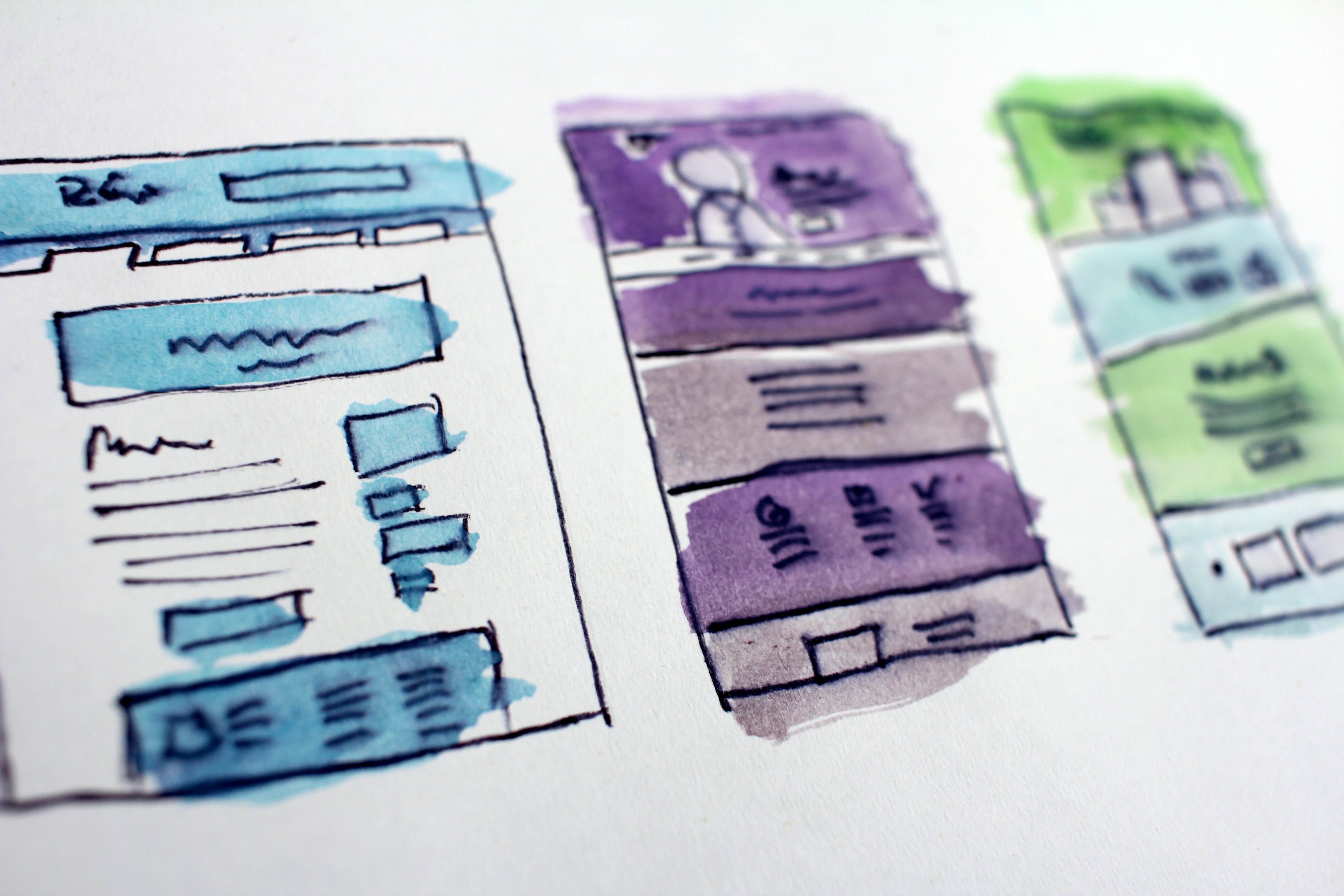
The Crucial Tenets of Stellar UX/UI Design: Drawing from World-class Design Gurus

The Renaissance of CX in the Middle East: Why You Need A Dedicated Agency

Decoding Market Research: The Compass Guiding Business Success

Omnichannel Marketing: Bridging the Offline-Online Divide

How Branding & CX are First Cousins
AI interface interacting with a human brain visualization representing emotional and cognitive influence.
Why Most AI-Driven Marketing Falls Short
Many brands assume that adopting artificial intelligence will automatically improve performance. Data systems are integrated, personalization engines are deployed, and automation tools scale execution. Yet results often plateau. The issue is not technology. It is psychology. Most strategies focus on behavior such as clicks, views, and purchases, but ignore how consumers feel during these interactions. Research consistently shows that decisions are driven by emotion before rational thinking begins.
AI has changed more than marketing efficiency. It has changed the consumer mindset. Every AI-powered interaction influences trust, perception, and emotional response. Brands that succeed are not using more advanced tools. They are aligning AI with how people actually think and feel.
The Psychological Shift in Consumer Behavior
Trust Comes Before Personalization
Consumers now evaluate trust instantly. AI improves speed and accuracy, strengthening reliability, but it can reduce emotional connection. A seamless experience may still feel impersonal. Brands that introduce transparency, clear communication, and human tone build stronger trust before scaling personalization.
The Personalization Expectation Effect
AI-driven personalization creates highly relevant experiences, triggering positive emotional responses. However, this also raises expectations. What feels exceptional quickly becomes standard. Over time, even strong personalization can feel generic. Brands that maintain engagement introduce human moments, personality, and variation to avoid emotional fatigue.
The Role of Emotional Experience
Every AI interaction generates a subtle emotional response. Helpful recommendations create satisfaction, while overly precise targeting can create discomfort. These small reactions accumulate and shape long-term brand perception. Most companies measure behavior but overlook these emotional signals.
The Neuroscience Behind Consumer Decisions
Subconscious Processing Drives Choice
Consumers process information emotionally before thinking rationally. AI operates within this subconscious layer, influencing decisions before users are fully aware. This explains why purely data-driven strategies often miss the real drivers of behavior.
Attention and Emotional Resonance
In fast-moving digital environments, attention is limited. Emotionally relevant and familiar content captures focus more effectively. Experiences that create emotional connection are remembered longer and influence future decisions more strongly than functional messaging.
Applying Behavioral Psychology to AI Marketing
Behavioral Segmentation Over Demographics
Traditional segmentation based on age or income is limited. AI enables grouping based on behavior such as decision speed, research depth, or reliance on social proof. Messaging aligned with these behaviors performs more effectively.
Trust-First Personalization
Effective strategies follow a sequence. First build trust through clarity and credibility. Then introduce personalization. Advanced AI works best when it feels helpful rather than intrusive.
Measuring Emotional Impact
AI now allows brands to track sentiment and emotional signals at scale. This provides insight into how customers feel, not just what they do. Emotional data is a stronger predictor of loyalty and long-term value than behavioral metrics alone.
Conclusion
AI has not changed the foundation of marketing. It has amplified it.
The competitive advantage is no longer access to data, but understanding human behavior.
Brands that combine artificial intelligence with psychology create experiences that feel more human, more trusted, and more effective.
Technology drives efficiency.
Emotion drives decisions.
AI interface interacting with a human brain visualization representing emotional and cognitive influence.
Why Most AI-Driven Marketing Falls Short
Many brands assume that adopting artificial intelligence will automatically improve performance. Data systems are integrated, personalization engines are deployed, and automation tools scale execution. Yet results often plateau. The issue is not technology. It is psychology. Most strategies focus on behavior such as clicks, views, and purchases, but ignore how consumers feel during these interactions. Research consistently shows that decisions are driven by emotion before rational thinking begins.
AI has changed more than marketing efficiency. It has changed the consumer mindset. Every AI-powered interaction influences trust, perception, and emotional response. Brands that succeed are not using more advanced tools. They are aligning AI with how people actually think and feel.
The Psychological Shift in Consumer Behavior
Trust Comes Before Personalization
Consumers now evaluate trust instantly. AI improves speed and accuracy, strengthening reliability, but it can reduce emotional connection. A seamless experience may still feel impersonal. Brands that introduce transparency, clear communication, and human tone build stronger trust before scaling personalization.
The Personalization Expectation Effect
AI-driven personalization creates highly relevant experiences, triggering positive emotional responses. However, this also raises expectations. What feels exceptional quickly becomes standard. Over time, even strong personalization can feel generic. Brands that maintain engagement introduce human moments, personality, and variation to avoid emotional fatigue.
The Role of Emotional Experience
Every AI interaction generates a subtle emotional response. Helpful recommendations create satisfaction, while overly precise targeting can create discomfort. These small reactions accumulate and shape long-term brand perception. Most companies measure behavior but overlook these emotional signals.
The Neuroscience Behind Consumer Decisions
Subconscious Processing Drives Choice
Consumers process information emotionally before thinking rationally. AI operates within this subconscious layer, influencing decisions before users are fully aware. This explains why purely data-driven strategies often miss the real drivers of behavior.
Attention and Emotional Resonance
In fast-moving digital environments, attention is limited. Emotionally relevant and familiar content captures focus more effectively. Experiences that create emotional connection are remembered longer and influence future decisions more strongly than functional messaging.
Applying Behavioral Psychology to AI Marketing
Behavioral Segmentation Over Demographics
Traditional segmentation based on age or income is limited. AI enables grouping based on behavior such as decision speed, research depth, or reliance on social proof. Messaging aligned with these behaviors performs more effectively.
Trust-First Personalization
Effective strategies follow a sequence. First build trust through clarity and credibility. Then introduce personalization. Advanced AI works best when it feels helpful rather than intrusive.
Measuring Emotional Impact
AI now allows brands to track sentiment and emotional signals at scale. This provides insight into how customers feel, not just what they do. Emotional data is a stronger predictor of loyalty and long-term value than behavioral metrics alone.
Conclusion
AI has not changed the foundation of marketing. It has amplified it.
The competitive advantage is no longer access to data, but understanding human behavior.
Brands that combine artificial intelligence with psychology create experiences that feel more human, more trusted, and more effective.
Technology drives efficiency.
Emotion drives decisions.
Knowledge+
Decoding the Millennial and Gen Z Brain: Neuromarketing for the New Age
The Crucial Tenets of Stellar UX/UI Design: Drawing from World-class Design Gurus
The Renaissance of CX in the Middle East: Why You Need A Dedicated Agency
Decoding Market Research: The Compass Guiding Business Success
Omnichannel Marketing: Bridging the Offline-Online Divide
How Branding & CX are First Cousins
