

Designing Emotion-Driven Customer Journeys That Build Loyalty
Customer experience is often reduced to touchpoints, journeys, or channels. What gets overlooked and what actually drives loyalty is how emotional signals shape decisions across every interaction. This article steps back to reveal that dynamic, framing the bigger picture before diving into behavioral insights.
Beneath each interaction runs an emotional current. Peaks of delight, valleys of friction, these subtle signals separate a simple transaction from a memorable experience. Emotion isn’t optional. Emotionally connected customers can be dramatically more valuable than those who are merely satisfied. Small, meaningful moments compound over time, turning repeat visits into advocacy that lasts.
Where Behavior Meets Emotion
People rarely make decisions purely rationally. Feelings, cognitive shortcuts, and social influence guide choices long before logic enters the picture. Netflix, for instance, reduces perceived risk and creates early ownership through free trials. Amazon’s one-click checkout removes friction at the exact moment commitment is needed. These subtle alignments with natural decision-making are explored further in how minor shifts can change customer decisions.
How you can apply this to your side business
Identify points where your customers hesitate, get confused, or second-guess their choice.
Simplify or guide these moments so the path feels effortless, similar to Amazon’s one-click checkout.
Introduce low-risk “ownership” experiences, free trials, previews, or samples to encourage early commitment, like Netflix does.
Understanding these patterns allows experiences to feel intuitive rather than manipulative, making journeys engaging and satisfying.
Mapping Emotional Peaks and Valleys
Every touchpoint carries emotional weight. Quick responses, intuitive guidance, or small surprises spark delight. Delays, confusion, or uncertainty trigger frustration. Recognizing these shifts is the first step to creating experiences that feel seamless rather than forced.
Examples from larger environments make this visible. Singapore Changi Airport reduces travel stress through calm spaces, gardens, and intuitive layouts. Stores designed for exploration encourage curiosity rather than transactional pressure. Map anticipation, friction, and delight to understand how experiences resonate. Studies on how design drives growth show that consciously tracking these arcs elevates journeys from functional to memorable.
For smaller businesses
Map your own emotional highs and lows. Where do customers smile, pause, or drop off?
Even simple adjustments like clearer instructions or proactive support can reduce friction and boost satisfaction.
Test micro-interventions and iterate to improve small but meaningful emotional moments.
Subtle Interventions Build Loyalty
Emotion-driven design thrives on small, repeatable cues, a helpful notification, a tailored recommendation, or a tiny recognition of effort. These micro-moments quietly reinforce trust and preference over time.
Consistency matters more than spectacle. Brands embedding these signals systematically see measurable results, as explored in how emotional connections strengthen brand relationships.
Mini-action points for your side business
Add a personalized touch at critical steps, thank-you notes, reminders, or helpful tips.
Reward small wins, offer bonus content, early access, or recognition for engagement.
Make support feel human, fast, friendly responses turn frustration into trust.
Emotion becomes the quiet driver behind repeat behavior, felt rather than announced.
Measuring What Truly Matters
While emotion can feel intangible, its impact is measurable. Analytics, sentiment tools, and feedback loops reveal friction points and moments of delight. Understanding these patterns allows teams to iterate and refine, turning insights into actionable improvements for behavioral CX.
Even small businesses can track impact. Surveys, simple session analytics, or feedback forms reveal patterns that indicate emotional highs and lows. Iteration based on these insights lets you optimize experiences continuously.
Emotion quietly decides who stays, who advocates, and who returns. Companies that design for it don’t just observe behavior, they shape experiences that resonate for years.
Knowledge+

Decoding the Millennial and Gen Z Brain: Neuromarketing for the New Age
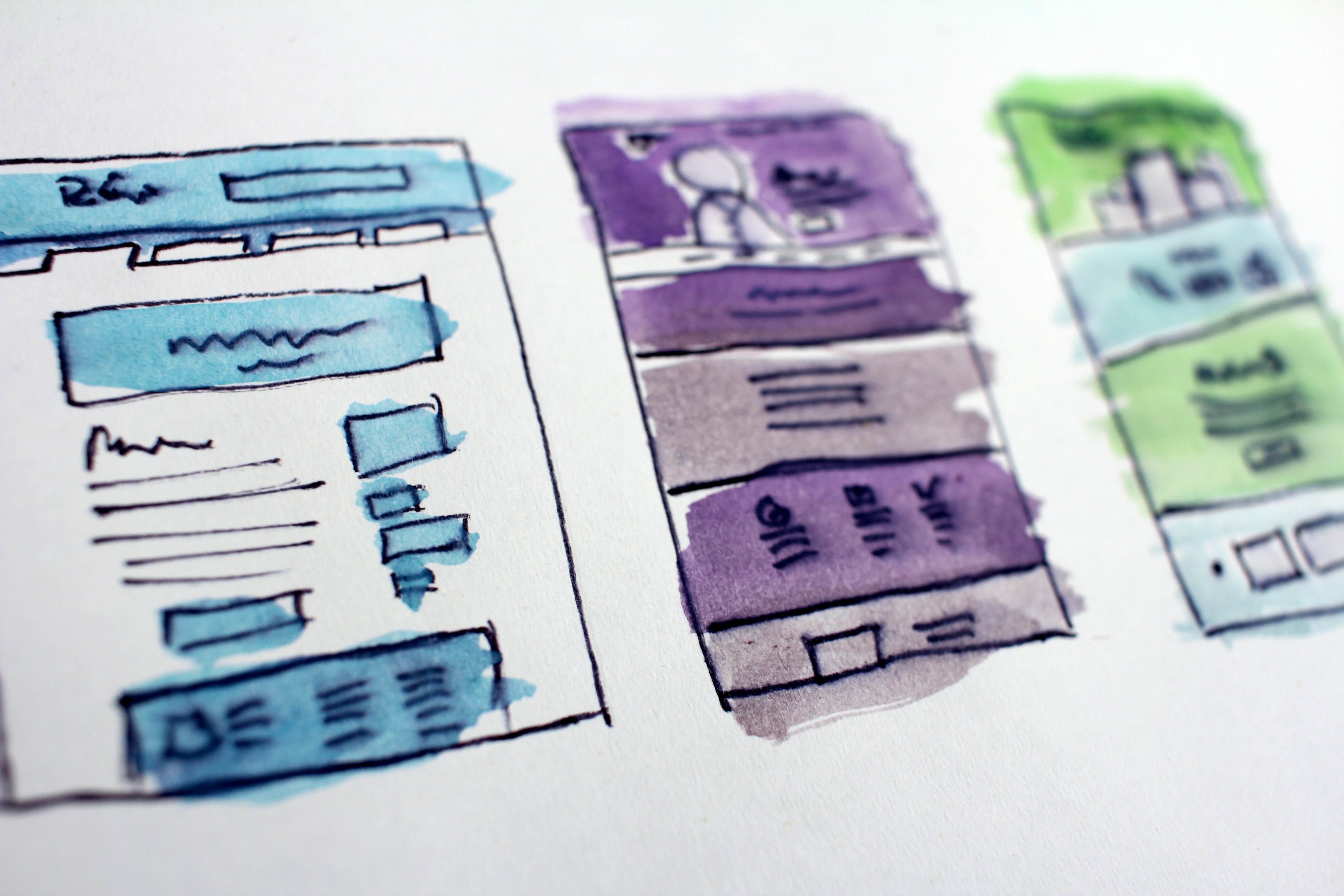
The Crucial Tenets of Stellar UX/UI Design: Drawing from World-class Design Gurus

The Renaissance of CX in the Middle East: Why You Need A Dedicated Agency

Decoding Market Research: The Compass Guiding Business Success
Omnichannel Marketing: Bridging the Offline-Online Divide

How Branding & CX are First Cousins
Customer experience is often reduced to touchpoints, journeys, or channels. What gets overlooked and what actually drives loyalty is how emotional signals shape decisions across every interaction. This article steps back to reveal that dynamic, framing the bigger picture before diving into behavioral insights.
Beneath each interaction runs an emotional current. Peaks of delight, valleys of friction, these subtle signals separate a simple transaction from a memorable experience. Emotion isn’t optional. Emotionally connected customers can be dramatically more valuable than those who are merely satisfied. Small, meaningful moments compound over time, turning repeat visits into advocacy that lasts.
Where Behavior Meets Emotion
People rarely make decisions purely rationally. Feelings, cognitive shortcuts, and social influence guide choices long before logic enters the picture. Netflix, for instance, reduces perceived risk and creates early ownership through free trials. Amazon’s one-click checkout removes friction at the exact moment commitment is needed. These subtle alignments with natural decision-making are explored further in how minor shifts can change customer decisions.
How you can apply this to your side business
Identify points where your customers hesitate, get confused, or second-guess their choice.
Simplify or guide these moments so the path feels effortless, similar to Amazon’s one-click checkout.
Introduce low-risk “ownership” experiences, free trials, previews, or samples to encourage early commitment, like Netflix does.
Understanding these patterns allows experiences to feel intuitive rather than manipulative, making journeys engaging and satisfying.
Mapping Emotional Peaks and Valleys
Every touchpoint carries emotional weight. Quick responses, intuitive guidance, or small surprises spark delight. Delays, confusion, or uncertainty trigger frustration. Recognizing these shifts is the first step to creating experiences that feel seamless rather than forced.
Examples from larger environments make this visible. Singapore Changi Airport reduces travel stress through calm spaces, gardens, and intuitive layouts. Stores designed for exploration encourage curiosity rather than transactional pressure. Map anticipation, friction, and delight to understand how experiences resonate. Studies on how design drives growth show that consciously tracking these arcs elevates journeys from functional to memorable.
For smaller businesses
Map your own emotional highs and lows. Where do customers smile, pause, or drop off?
Even simple adjustments like clearer instructions or proactive support can reduce friction and boost satisfaction.
Test micro-interventions and iterate to improve small but meaningful emotional moments.
Subtle Interventions Build Loyalty
Emotion-driven design thrives on small, repeatable cues, a helpful notification, a tailored recommendation, or a tiny recognition of effort. These micro-moments quietly reinforce trust and preference over time.
Consistency matters more than spectacle. Brands embedding these signals systematically see measurable results, as explored in how emotional connections strengthen brand relationships.
Mini-action points for your side business
Add a personalized touch at critical steps, thank-you notes, reminders, or helpful tips.
Reward small wins, offer bonus content, early access, or recognition for engagement.
Make support feel human, fast, friendly responses turn frustration into trust.
Emotion becomes the quiet driver behind repeat behavior, felt rather than announced.
Measuring What Truly Matters
While emotion can feel intangible, its impact is measurable. Analytics, sentiment tools, and feedback loops reveal friction points and moments of delight. Understanding these patterns allows teams to iterate and refine, turning insights into actionable improvements for behavioral CX.
Even small businesses can track impact. Surveys, simple session analytics, or feedback forms reveal patterns that indicate emotional highs and lows. Iteration based on these insights lets you optimize experiences continuously.
Emotion quietly decides who stays, who advocates, and who returns. Companies that design for it don’t just observe behavior, they shape experiences that resonate for years.
Customer experience is often reduced to touchpoints, journeys, or channels. What gets overlooked and what actually drives loyalty is how emotional signals shape decisions across every interaction. This article steps back to reveal that dynamic, framing the bigger picture before diving into behavioral insights.
Beneath each interaction runs an emotional current. Peaks of delight, valleys of friction, these subtle signals separate a simple transaction from a memorable experience. Emotion isn’t optional. Emotionally connected customers can be dramatically more valuable than those who are merely satisfied. Small, meaningful moments compound over time, turning repeat visits into advocacy that lasts.
Where Behavior Meets Emotion
People rarely make decisions purely rationally. Feelings, cognitive shortcuts, and social influence guide choices long before logic enters the picture. Netflix, for instance, reduces perceived risk and creates early ownership through free trials. Amazon’s one-click checkout removes friction at the exact moment commitment is needed. These subtle alignments with natural decision-making are explored further in how minor shifts can change customer decisions.
How you can apply this to your side business
Identify points where your customers hesitate, get confused, or second-guess their choice.
Simplify or guide these moments so the path feels effortless, similar to Amazon’s one-click checkout.
Introduce low-risk “ownership” experiences, free trials, previews, or samples to encourage early commitment, like Netflix does.
Understanding these patterns allows experiences to feel intuitive rather than manipulative, making journeys engaging and satisfying.
Mapping Emotional Peaks and Valleys
Every touchpoint carries emotional weight. Quick responses, intuitive guidance, or small surprises spark delight. Delays, confusion, or uncertainty trigger frustration. Recognizing these shifts is the first step to creating experiences that feel seamless rather than forced.
Examples from larger environments make this visible. Singapore Changi Airport reduces travel stress through calm spaces, gardens, and intuitive layouts. Stores designed for exploration encourage curiosity rather than transactional pressure. Map anticipation, friction, and delight to understand how experiences resonate. Studies on how design drives growth show that consciously tracking these arcs elevates journeys from functional to memorable.
For smaller businesses
Map your own emotional highs and lows. Where do customers smile, pause, or drop off?
Even simple adjustments like clearer instructions or proactive support can reduce friction and boost satisfaction.
Test micro-interventions and iterate to improve small but meaningful emotional moments.
Subtle Interventions Build Loyalty
Emotion-driven design thrives on small, repeatable cues, a helpful notification, a tailored recommendation, or a tiny recognition of effort. These micro-moments quietly reinforce trust and preference over time.
Consistency matters more than spectacle. Brands embedding these signals systematically see measurable results, as explored in how emotional connections strengthen brand relationships.
Mini-action points for your side business
Add a personalized touch at critical steps, thank-you notes, reminders, or helpful tips.
Reward small wins, offer bonus content, early access, or recognition for engagement.
Make support feel human, fast, friendly responses turn frustration into trust.
Emotion becomes the quiet driver behind repeat behavior, felt rather than announced.
Measuring What Truly Matters
While emotion can feel intangible, its impact is measurable. Analytics, sentiment tools, and feedback loops reveal friction points and moments of delight. Understanding these patterns allows teams to iterate and refine, turning insights into actionable improvements for behavioral CX.
Even small businesses can track impact. Surveys, simple session analytics, or feedback forms reveal patterns that indicate emotional highs and lows. Iteration based on these insights lets you optimize experiences continuously.
Emotion quietly decides who stays, who advocates, and who returns. Companies that design for it don’t just observe behavior, they shape experiences that resonate for years.
Knowledge+
Decoding the Millennial and Gen Z Brain: Neuromarketing for the New Age
The Crucial Tenets of Stellar UX/UI Design: Drawing from World-class Design Gurus
The Renaissance of CX in the Middle East: Why You Need A Dedicated Agency
Decoding Market Research: The Compass Guiding Business Success
Omnichannel Marketing: Bridging the Offline-Online Divide
How Branding & CX are First Cousins
